MATERIALS
- The Wish Tree by Kyo Maclear
- Build-a-Christmas-Tree worksheet
- Stones
- Music player and prepared music
- Small balls or beanie babies
SHORT DESCRIPTION
Students experiences joy and movement of the winter and Christmas season through literature, poses, and language. In addition, students are exposed to the concept that wishes are wonderful to have come true for ourselves, but can be just as wonderful when they happen for others.
DISCUSSION POINTS
What are wishes? Have you ever had a wish come true? Many people wish for things that can make them happy. That is wonderful, but it can be just as wonderful to see the joy on someone else’s face when your wish for them comes true. Have you ever given someone a present and saw how happy it makes them? Or done something nice for someone and feel your heart get big when they say thank you and appreciate your help?
CONNECTING CIRCLE
Here is a special stone. It is a wishing stone. You can wish for something for yourself, but if you wish for something for someone else, the stone becomes even more magical. Pass the stone around the circle three times. The first time each child wishes for something for themselves; then for someone else; then for the world. Invite anyone who wants to share. Give each child their very own stone to hold for their own wishes, for themselves or for others.
POSES AS PATHWAYS
Musical Musings: Walking in a Winter Wonderland, The Holly and the Ivy by George Winston
Piano Music (good for the “sound” of falling snow), Mr. Sun by Raffi, Namaste by Kira WIley
Straw Sipping – Since our story today takes a walk through the cold winter air we will do some
cold air sipping. This breath helps cool the body and reduce excess heat in your body. It will also improve your focus and concentration. It’s a great cooling breath because it can calm and angry body. It can also help if you are feeling anxious or unsettled and nervous. Body Benefits
Poses as Pathways
Lookout – Be like Charles and search for the wishing tree. Use your right hand to shield the sun
and turn to the right. Use your left hand to shield the sun and turn to the left. Alternate various sides to increase cross-laterization movements. Brain Balance
Snow Angels – Laying down first then standing up simulating jumping jacks.
Wind (Opening My Wings) Use onomatopoeia through story examples whhisshhh and ladi-da-di-da. Pretend to be the wind by opening up arms and making whishhh noises. Use other examples of onomatopoeia and have children make up poses to match (ex: brrr, wow, zaaap, crash, etc). Laughing Language
Climbing the Hill (Ladder to the Clouds): Pretend you are climbing the snow hill. The snow is heavy, and it weighs your feet down. Pick your feet up and climb the hill as if you are going up a great big snow hill.
Sliding Down the Hill (Roller Coaster) – Now let’s slide down the hill together on our toboggan. Wheeeee! (more onomatopoeia). Laughing Language
Acorn to Tree – Squirrels hide piles of acorns before it gets cold so in the winter they have food to eat. They don’t eat all the acorns and the ones that are left behind can grow into tall oak trees. Pretend you are an acorn in child pose. Slowly as spring arrives you grow and pop out of the ground. Years and years pass and eventually after about 20 years your little acorn has turned into a giant oak tree that produces more acorns. Stand tall in tree pose. Ecological Echoes
Bear’s Den (Polar Bear) – Pretend you are a bear in hibernation. Bears hibernate to stay warm
in the winter. Bears that live in colder climates might sleep in their dens through winter. Bears
can go more than 100 days without eating drinking or passing waste. Wow! Our bodies can’t go
more than a day without food. Imagine how hungry those bears are when the wake. Ecological
Echoes
Beaver (Moo/Meow) – Beavers have very strong tails. They also have very strong teeth and
jaws. These strong parts help them to build dams to stop the flow of water, so they can create
their home or lodge. Lay on your back and bend our knees. Pretend you are a beaver looking
high and low for sticks for your home. Move your arms to the ground and wave your beaver tail! Ecological Echoes
Follow the Leader/Animal on my Head – Take turns letting one student be the leader and
the other follows imitating their movements like Charles in the story. Do with Beanie baby
on head to increase mindfulness.
Snowfalling (Mountain to Ragdoll) / Yawn and flop) – Use your body to simulate the fall of
the snow. Snow is precipitation in the sky. When the clouds fill with too much moisture, they
burst with precipitation. If the temperature is below 32 degrees Fahrenheit. That precipitation
comes down as snowfall. Make the snowfall gently, then add the wind and make it fall rapidly.
Ecological Echoes
Table Pose with ball balance – Come into table pose like moo-meow. Stay still as if you are a
table and balance a ball on your back. Pretend it is a teacup (like feast in the forest). Now
reverse your table with your belly facing up. Notice how intentional and aware of your
movements you are. That is being mindful. When we are mindful we increase our focus and
concentration.
Moon/ Mountain – Lean to the right and be a crescent moon. Lean to the left.
VISUAL VIGNETTES
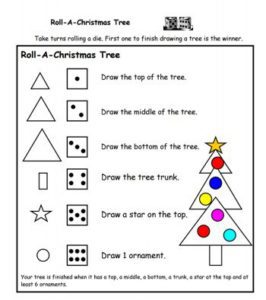
Roll a Christmas Tree (see picture)
QUIET QUESTS
Hold your wishing stone. Feel the smoothness. Maybe you rub your stone. Maybe you just hold it in your hand. Maybe you think of a wish for yourself. Maybe you think of a wish for someone else. Maybe you think of a wish for the world. Take three deep breaths and just lay quietly with your stone. Maybe your stone gives you energy of peace and comfort. Maybe it gives
you confidence. Imagine you are walking through the snow like Charles.
You stop near the wishing tree with your wishing stone and lay on your toboggan as it starts to snow. You look up to the sky and see nothing but clouds of whiteness. Close your eyes and imagine a sky filled with snow and white clouds. Feel the snow gently fall up on your feet, legs, knees, hips waist, arms, neck, face, eyes, nose, cheeks, ears, head… and finally lips. Lick your lips and smile. Slowly you start to wake up. You hear the chime sound and know you need to leave the forest and walk back home. When you can no longer hear the sound of the chime come to a sitting position.
CLOSING CIRCLE
Namaste Song